Amazon Drops Four Data Centers For Homes
Following local opposition, the tech giant will convert a Loudoun County site into mixed-use residential development and donate land to the public.
By Min-jun Kim ·
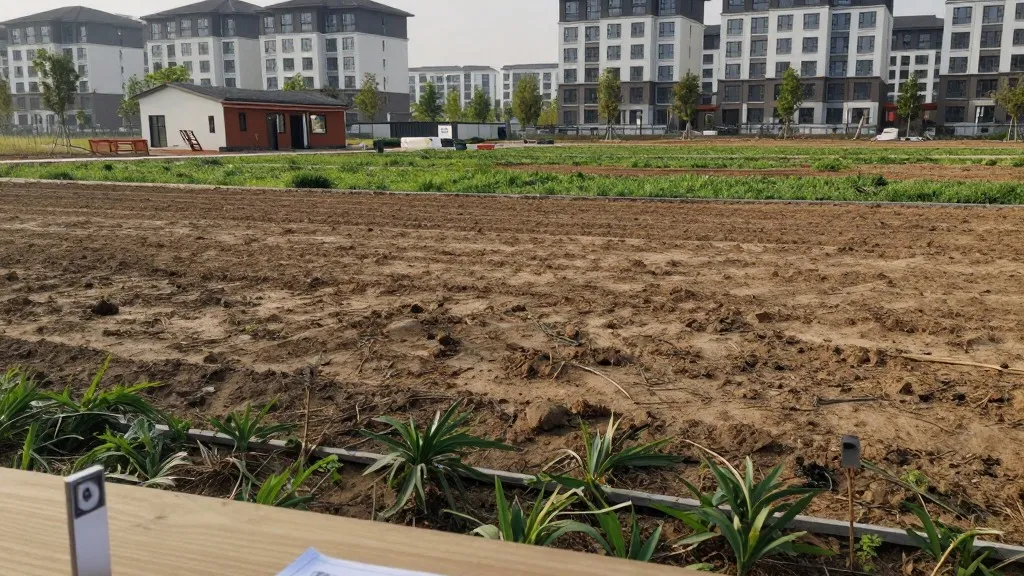
For residents of Loudoun County, the daily reality of living near one of the world’s densest clusters of computing infrastructure is changing. Instead of four new data center facilities rising on the former George Washington University campus, the 122-acre site will be transformed into mixed-use and residential development. This shift offers a tangible change for the local market, as the majority of the land will now house homes and community spaces rather than massive server farms, directly addressing long-standing local concerns about noise and power consumption.
The withdrawal represents a significant capital reallocation for Amazon, which had planned to build four new data centers on the property just outside Washington, D.C. The company will now repurpose the bulk of the land for housing and mixed-use projects. Additionally, Amazon has agreed to donate 25 acres of the property to Loudoun County. This land is designated for the construction of a community arts center and a new recreational facility. To further support local infrastructure, the company will contribute $5 million to the county’s housing fund.
Loudoun County is frequently referred to as "Data Center Alley" due to its status as the region with the highest concentration of data centers globally. However, the local approach to new construction has shifted in recent months. Residents have voiced strong opposition to the noise generated by cooling systems and the substantial electricity required to keep these facilities running. These concerns influenced the county’s stance, leading to a more cautious review of new projects in the area.
Amazon initially submitted its proposal for the four facilities in July. The path to the current agreement involved direct negotiation between the company and local leadership. In September, Phyllis J. Randall, the Chair of the Loudoun County Board of Supervisors, met with Amazon representatives. During these discussions, county officials suggested that the company might consider an alternative use for the land, a suggestion that ultimately led to the revised plan.
Josh Weissman, Amazon’s vice president for data center development, stated that the company had quickly moved to purchase the former university campus when the opportunity presented itself. However, he acknowledged that the firm weighed the county’s specific concerns about development at this particular location. Weissman noted that while Amazon viewed the property’s legal development potential differently than the county did, they decided that a shared vision was preferable to costly litigation. He described the outcome as the best result for all parties involved.
The decision occurs against a backdrop of rising demand for cloud-based services and AI infrastructure. While the need for larger facilities has driven a boom in construction, local communities are increasingly wary of the economic and environmental impacts. These include potential spikes in local electricity prices and strains on water resources. In a related move, President Donald Trump recently called on data center builders and AI hyperscalers to pay local communities a dividend to offset energy-related price increases. Trump also suggested that facilities should generate their own power and sell or give back excess energy to the community.
County officials have framed the agreement as a successful example of negotiation over confrontation. In a statement, Randall emphasized that by choosing dialogue, the county and Amazon created a new opportunity. She highlighted that the agreement will provide residents with new places to gather, create, and play. Most significantly for the local housing market, Randall noted that the project will provide more attainable homes for working families.
The shift from data centers to residential development alters the local economic landscape. It replaces a high-demand industrial asset with housing stock, potentially easing pressure on the local housing market. The donation of land for public use and the contribution to the housing fund provide immediate financial benefits to the county. As the region continues to balance technological growth with community needs, this deal sets a precedent for how large tech firms might negotiate with local governments in high-density data center markets.
Looking ahead, the site will undergo a transition from a planned industrial hub to a residential and community-focused area. The construction of the mixed-use development and the donated facilities will likely take several years to complete. Meanwhile, the broader debate over the placement of AI infrastructure continues, with other communities watching this outcome closely. The agreement suggests that local leverage may be increasing as residents and officials demand more from the companies building out the next generation of computing power.
Source: Tom's Hardware