SpaceX Rejects Military Contracts as European Rocket Nears Readiness
A major divergence in launch strategies emerges as SpaceX declines government offers while a Spanish rocket completes final integration.
By Amy Swan ·
A significant shift in the commercial launch landscape has emerged this week, marked by a notable rejection of government business by a leading private provider.
The financial and operational figures surrounding these developments are substantial. SpaceX has formally declined three offered military launch contracts from the U.S. Space Force. On the technical side, a NASA safety panel has estimated that the company’s Starship vehicle may require as many as 22 in-space refueling operations to support a lunar landing. Meanwhile, Reaction Dynamics, a Canadian startup, is seeking to raise $350 million to expand its workforce from 68 to over 350 employees.
The individuals and organizations driving these changes include SpaceX, which has chosen to forgo the military contracts, and PLD Space, a Spanish company led by CEO Raúl Torres. Reaction Dynamics is also active in the sector, developing the Aurora small-lift rocket with an orbital debut targeted for 2028, alongside plans for a medium-lift vehicle named Borealis by 2031. These entities represent the core players in the current mix of heavy-lift, small-lift, and medium-lift rocket development.
The stakes for the industry are high as these decisions reshape the competitive field. SpaceX’s refusal of the military contracts signals a strategic pivot or a specific capacity constraint on the civil space side, where the Starship’s complex refueling requirements for lunar missions have become a focal point for safety reviews. The rejection of the Space Force offers suggests a prioritization of other commercial or scientific objectives.
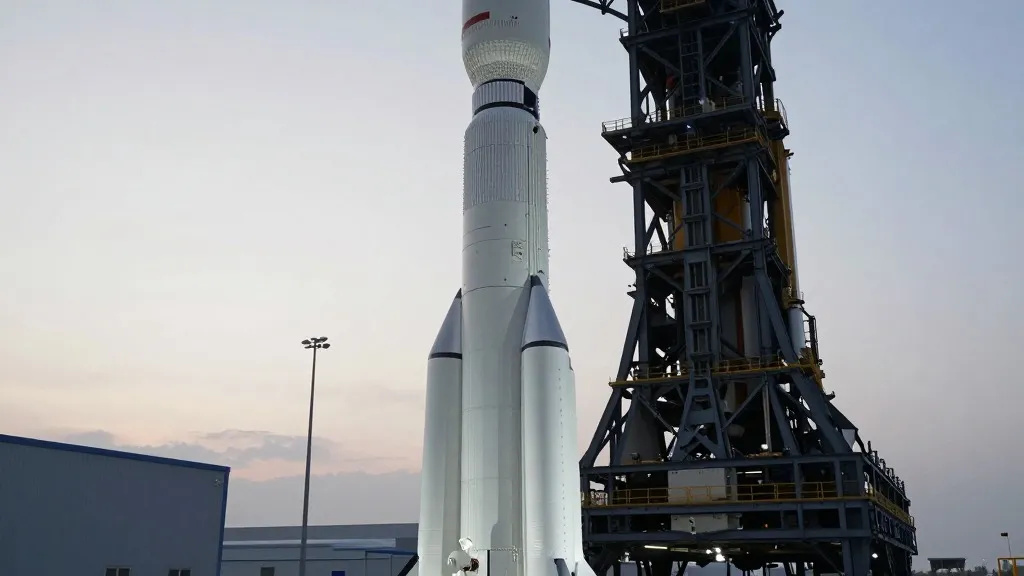
In Europe, the Miura 5 rocket is approaching a critical milestone. PLD Space reports that the vehicle is nearing final integration, with a first flight targeted for before mid-2027. The company has already manufactured three Miura 5 units; two were used to qualify key system elements, while the third is the designated launch vehicle. This approach allows teams to apply lessons from qualification campaigns directly to the flight-ready model.
The technical preparation for the Miura 5 is advanced, with one second stage fully integrated to begin system-level testing under representative operating conditions. This stage is currently at the PLD Teruel test facility, undergoing a qualification campaign that includes a wet dress rehearsal and a static hot-fire test. CEO Raúl Torres noted that manufacturing multiple vehicles simultaneously enabled continuous work across production stages, optimizing the development timeline.
These developments highlight a busy period for the global rocket sector. From the rejection of lucrative government contracts in the United States to the finalizing of integration in Spain and the capital raises in Canada, the industry is moving quickly toward the next generation of launch capabilities. Readers can expect further updates on the specific launch calendar for the next three missions as these programs progress.
Source: Ars Technica