Trump demands AI firms share energy profits with local grids
The President is pushing for data center operators to offset rising utility bills for neighboring towns by selling excess power back to the community.
By Daniela Vargas ·
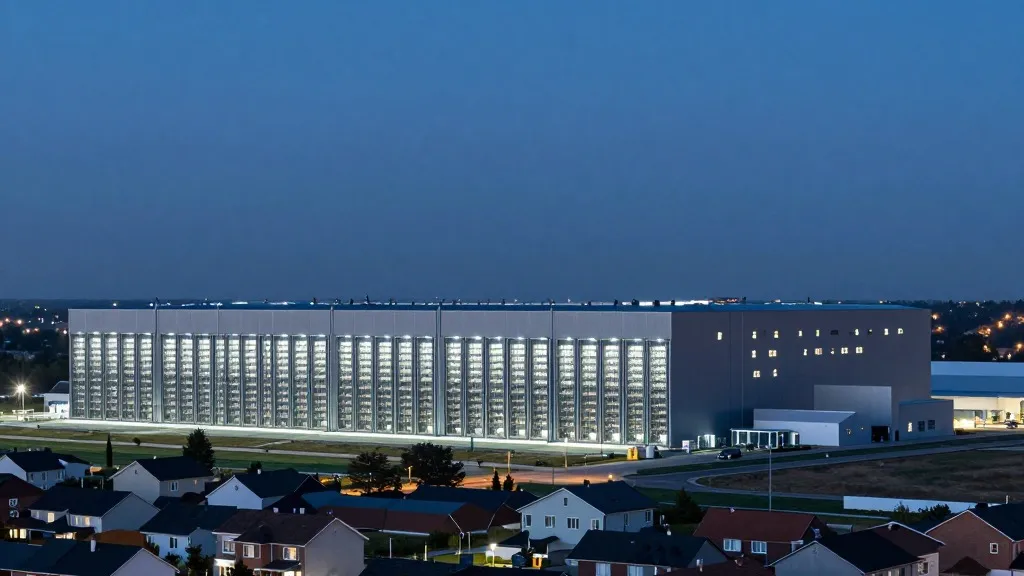
Tension between expanding artificial intelligence infrastructure and the residents living nearby has reached a boiling point. In an effort to quell growing opposition, President Donald Trump has outlined a new directive requiring data center builders and major AI hyperscalers to provide a financial dividend to local communities. The goal is to counteract rising electricity costs that have become a primary source of friction, potentially even reducing prices for local households. The President warned that these facilities would not only be mandated to generate their own power but would also be required to feed excess energy back into the local grid.
The push for this mandate comes after years of escalating complaints in towns across the United States. Residents have frequently protested against AI data centers, citing significant negative impacts on their daily lives. These concerns include higher utility bills, noise pollution, water shortages, air quality issues, and deforestation. Small communities are bearing the brunt of these operational side effects, leading to a widespread desire for tangible benefits in exchange for hosting these massive facilities.
The administration is eager to maintain its lead in the global AI race against China while simultaneously repairing its public image. By forcing data centers to give back to the communities they affect, the White House hopes to make the industry more acceptable to the public. The specific form of this dividend remains a subject of debate, but given the focus on electricity, it likely involves offsetting rising energy costs. This approach aligns with previous orders that required these companies to generate their own power. A recently passed act further mandates that data centers cover the costs of necessary grid upgrades, preventing those expenses from being shifted to local taxpayers.
In a post on Truth Social, the President emphasized the economic logic behind the move. He noted that data centers, which were previously unpopular in certain areas, have become highly sought after once a financial agreement was reached. He urged industry leaders to make deals and get projects built, suggesting that a direct financial benefit to locals would smooth the path for future construction projects.
However, questions remain about whether this financial incentive will be sufficient to win over skeptical communities. The economic aspect is only one part of a larger problem. Significant challenges persist, including enormous water consumption, ecological damage, and pollution. These factors continue to make AI data centers a difficult sell in many locations. It is not yet clear how the dividend will be calculated or if it will be enough to offset the tangible environmental and financial burdens currently experienced by nearby residents.
The coming weeks will likely see increased scrutiny on how these mandates are implemented. While the administration aims to balance industrial growth with community support, the practical details of the energy sharing model are still being worked out. For now, the focus is on whether the promise of lower energy costs can outweigh the long-standing grievances of local populations.
Source: Tom's Hardware