Cybercab customer deliveries set for year end
Tesla aims to move autonomous units to private owners before 2027, though the bulk of production still heads to its own fleet.
By Natalia Campos ·
The long-running uncertainty surrounding the availability of Tesla’s autonomous vehicles has finally begun to resolve, at least regarding a specific timeline. During the company's third-quarter earnings call on October 21, leadership provided a concrete target for when consumers can expect to purchase the Cybercab. This announcement puts a stop to months of speculation about whether the driverless technology would reach the market in the near future or remain a distant promise.
Lars Moravy, the vice president of engineering, stated that the company is aiming to begin delivering the purpose-built robotaxi to customers before the end of 2026. He noted that production is currently underway at Gigafactory Texas. However, Moravy clarified that the vehicles rolling off the line are not yet headed for private garages. Instead, he explained that all units produced so far are currently being assigned to Tesla’s internal robotaxi fleet.
As operations scale, the strategy appears to be shifting. Moravy indicated that Tesla will mainly deliver fully designed autonomous vehicles to customers in the future. The Cybercab is expected to be the first such vehicle to reach private hands. Initial customer deliveries will start small, a deliberate choice as the company gathers experience with delivery logistics, ownership models, fleet management, and operating autonomous vehicles outside of its direct control.
CEO Elon Musk reinforced the limited nature of these private sales during the call. He described the Cybercab primarily as a service offering rather than a traditional personal ownership vehicle like the Model 3, Model Y, or the upcoming Roadster. Musk stated that the vast majority of the Cybercab units will be Tesla-owned and utilized within the transport-as-a-service model.
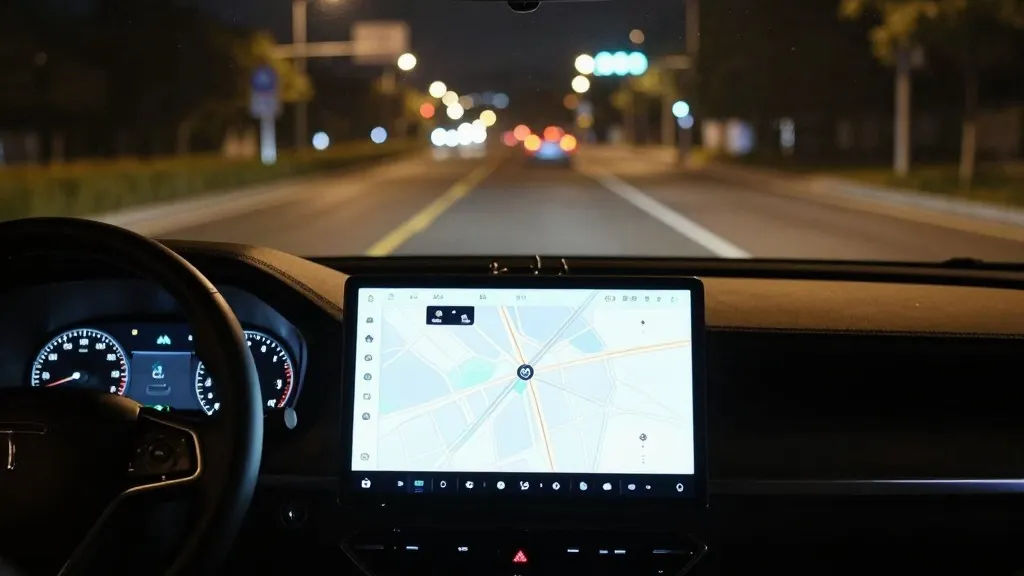
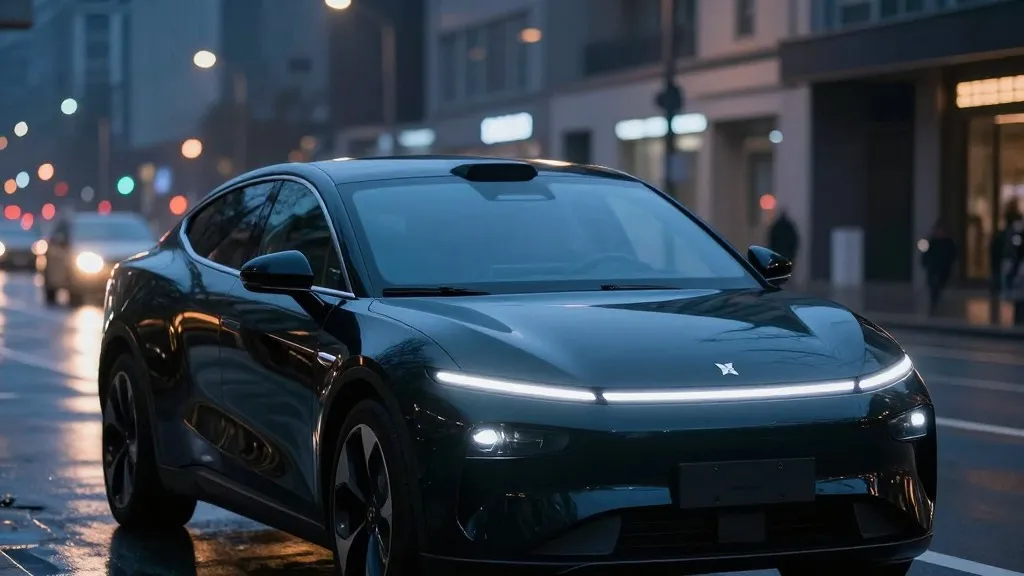
The Cybercab itself is a two-seater vehicle developed without a steering wheel or pedals. It relies completely on Tesla’s Full Self-Driving suite for operation. The vehicle has been in production since February of this year. Early units were integrated into Tesla’s robotaxi service in early September, coinciding with the launch of rides to the public. Tesla previously indicated it would aim to sell the Cybercab for about $30,000.
While the timeline for the Cybercab is now set, other autonomous features are on a different schedule. Ashok Elluswamy, Tesla’s head of AI, indicated during the call that unsupervised Full Self-Driving is expected to ship to consumer cars during the second quarter of 2027. This suggests that while the dedicated robotaxi is arriving sooner, the technology that would allow other models to operate without supervision is still months away.
Early buyers or fleet operators may face some limitations. Vehicles delivered in this initial phase may have autonomous operation that remains geographically restricted. This is largely due to lagging regulatory agencies that have not yet approved wider operational areas. The company acknowledges these hurdles exist ahead of full-scale Cybercab deliveries.
The shift from internal use to customer delivery marks a significant change in Tesla's operational focus. For now, the robotaxi fleet continues to grow with new units from the Texas factory. As the company moves toward the end of the year, the transition from a purely service-based model to one that includes private ownership will be the next critical test for its autonomous vision.
Source: Teslarati